Havan, Yagya, and Pooja Services by Kamakhya Astrologer - Best Hindu Astrologer in India
Havan, Yagya, and Pooja are among the oldest ritual practices in Vedic Hinduism. Rooted in the Rigveda, these fire rituals involve making offerings - called ahutis - into a consecrated fire known as the Havan Kund, while trained priests chant specific Sanskrit mantras directed at a particular deity or planetary force. I am Pandit Ravi Bhargav Ji, and through my 20+ years of practice as a Hindu astrologer across India, I have observed that these rituals, when performed with the correct Vedic procedure, carry a very clear purpose - they are a structured act of worship directed toward specific Grahas (planets), Devatas (deities), or life intentions. At Kamakhya Astrologer, every Havan and Yagya I organize follows traditional Vedic standards, from the selection of Samagri (ritual ingredients) to the specific mantra Jaap count.What Is Havan and How Is It Different from Yagya or Pooja?
Many people use these three terms interchangeably, but there are real distinctions between them in Vedic tradition.Pooja is a devotional act of worship -
It involves inviting a deity through rituals like Avahana (invocation), offering flowers, incense, water, and food, and concluding with Aarti. Pooja does not necessarily involve fire.Havan (also called Homa or Agnihotra) is a ritual specifically centered around Agni - the fire deity.
Offerings like ghee, herbs, sesame seeds, and rice are placed into the fire while Vedic mantras are recited. The word Havan comes from the Sanskrit root related to Yagya itself.Yagya (or Yajna) is a broader term from the Bhagavad Gita meaning any act performed as an offering to the Divine.
In practice, a Yagya is a larger, more elaborate version of Havan, often performed over multiple days with a higher mantra Jaap count and more participants. At Kamakhya Astrologer, I assess each client's situation before recommending whether a simple Pooja, a Havan, or a full Yagya is more appropriate.Why Are These Rituals Recommended in Vedic Astrology?
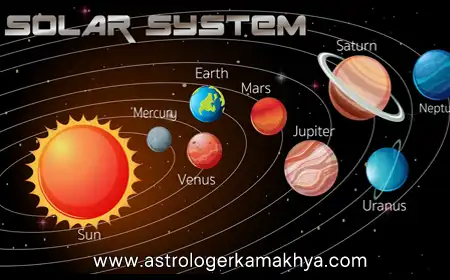
In Vedic astrology, the nine planets - called the Navagrahas - are the Sun (Surya), Moon (Chandra), Mars (Mangal), Mercury (Budh), Jupiter (Brihaspati), Venus (Shukra), Saturn (Shani), Rahu, and Ketu. Each of these Grahas influences different areas of life based on their placement in a person's birth chart (Kundali). When a planet is placed in a weak, debilitated, or unfavorable position in the horoscope, or when a challenging planetary transit (Dasha or Antardasha) is active, Vedic astrology prescribes specific remedies. Among these, Graha Shanti Pooja, Havan, and Yagya are considered highly systematic and structured forms of remedy. The reasoning behind this in Vedic texts is straightforward - through Agni (the sacred fire), offerings and mantras are said to reach the concerned Devata directly. The Taittiriya Brahmana and several Puranas describe Agni as the carrier between the human and the divine. When I study a client's chart and identify, for example, a malefic Shani (Saturn) in the 7th house during Sade Sati, I may recommend a Shani Shanti Havan along with specific mantra Jaap of the "Om Pram Prim Praum Sah Shanishcharaya Namah" at a count of 19,000 as prescribed in the Shani Graha Shanti tradition.Common Types of Havan and Yagya I Perform
Over my 20+ years of practice across India, I have performed a wide range of Havans and Yagyas. Here are some of the most commonly requested ones:Navagraha Shanti Havan
Performed to address malefic influences of all nine planets. This Havan involves nine separate mantra sequences and nine specific Nava Dhanyam (nine grains) as offerings corresponding to each Graha. It is often recommended when a person is going through a difficult planetary Dasha or multiple simultaneous planetary afflictions.Mahamrityunjaya Havan
Centered on the mantra "Om Tryambakam Yajamahe..." from the Rigveda (7.59.12), this Havan is performed for general well-being and is one of the most widely performed Vedic rituals across India. I recommend this particularly during periods when the 8th house or its lord is under stress in the natal chart.Ganesh Havan
Performed before any major undertaking - a new business, a property purchase, or a marriage. This invokes Ganesha as Vighnaharta (remover of obstacles) and is recommended as a beginning ritual in Vedic tradition.Lakshmi Havan / Shri Sukta Havan
Based on the Shri Sukta hymns from the Rigveda, this Havan is performed with specific offerings of lotus flowers, kheer, and ghee. I organize this for clients facing financial difficulties or stagnation in business and professional growth.Kaal Sarp Dosh Havan
When all seven planets are placed between Rahu and Ketu in the birth chart, it is termed Kaal Sarp Dosh. This Havan, often performed at Trimbakeshwar in Maharashtra or at other Jyotirlinga sites, involves specific Naga mantras and offerings to Lord Shiva and the serpent deities.Vastu Havan
Performed before or after moving into a new property. This Havan involves 16 Vastu Devatas being invoked and is a standard part of the Griha Pravesh (housewarming) process in Vedic tradition.How I Plan and Organize a Havan for My Clients
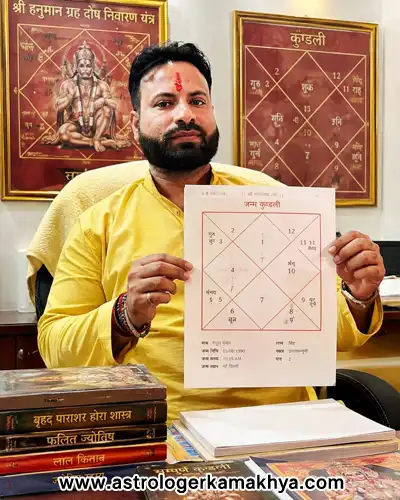
When a client reaches out to me at Kamakhya Astrologer, my process starts with a proper reading of their Janam Kundali. I look at the current Dasha-Antardasha running, the positioning of the Lagna lord, and any active Graha Doshas before I suggest a ritual. After that, I consider the correct Muhurta - the auspicious timing for the Havan. In Vedic tradition, performing a ritual on the right Tithi (lunar day), Nakshatra (star), and Vara (weekday) is considered as important as the ritual itself. For example, a Shani Havan is most effective when performed on a Saturday during Shani's Nakshatra - Pushya, Anuradha, or Uttara Bhadrapada. I also guide the client on what to prepare - the Samagri (ritual ingredients), the setup of the Havan Kund, and the dress code as per tradition. If the client cannot be physically present, I perform the Havan on their behalf with their Sankalpa (intention statement) and name recited at the beginning of the ritual.What Clients in India Ask Me Most Often
Through my work across cities like Delhi, Mumbai, Jaipur, Ahmedabad, and across other parts of India, the most common questions I receive are:"How do I know which Havan is right for me?" -
The answer always lies in your Kundali. I check the Graha placements and the running Dasha before making any recommendation."Can a Havan be performed at home?" -
Yes, Havans can be organized at a home, an office, or a temple. I visit client locations across India or guide them through a pandit I coordinate with locally."How long does a Havan take?" -
Depending on the type, a Havan can take anywhere from 2 to 6 hours. A large-scale Yagya, especially one performed over 9 or 11 days like a Navchandi Yagya, requires multi-day commitment."How many times should it be performed?" -
This depends on the intensity of the planetary issue. Some remedies are one-time rituals; others, like Navagraha Shanti, may be recommended annually.Why People Choose Kamakhya Astrologer for Havan and Yagya
I have been studying and practicing Vedic astrology and ritual traditions for over two decades. My approach is rooted in classical texts - the Brihat Parashara Hora Shastra, the Devi Bhagavata Purana, and the Kamakhya Tantra tradition from Assam, which forms the philosophical foundation of my practice. What I offer is not just a ritual - I explain to every client why a particular Havan is being suggested, which Graha or Devata it is directed toward, what the mantra count is, and what the expected duration of the remedy period is in astrological terms. My clients across India, from Ludhiana in Punjab to Hyderabad in Telangana, have appreciated this detailed, educational approach. I also believe in following up after a ritual. Once a Havan is performed, I advise clients on complementary daily practices - like specific mantra recitation, wearing of recommended Ratna (gemstones), observing Vrat (fasts) on relevant days, or making Daan (donations) associated with the concerned Graha.Reach Out to Kamakhya Astrologer
If you are looking for a properly conducted Havan, Yagya, or Pooja service based on your Kundali analysis, I welcome you to connect with Kamakhya Astrologer - Pandit Ravi Bhargav Ji. With 20+ years of experience and a foundation in both Vedic astrology and ritual traditions, I work with clients across India to organize these rituals in the right way, at the right time, and for the right purpose. Reach out today to begin with a proper birth chart reading and a clear discussion of what ritual, if any, would be most relevant for your current astrological period.
Astrologer & Tantrik Pandit Ravi Bhargav Ji, Kamakhya, Guwahati, Assam