Political Astrology in India - How Planetary Cycles Shape Political Events | Kamakhya Astrologer
Political astrology, known in classical Vedic texts as Medini Jyotish, is one of the oldest branches of Hindu Jyotish Shastra. Unlike personal horoscope reading, this branch focuses on national charts, planetary transits, and their relationship with elections, governance, and leadership patterns across India. I am Pandit Ravi Bhargav Ji, and through my 20+ years of practice as a Hindu astrologer, I have studied the connection between planetary movements and political cycles in great depth. At Kamakhya Astrologer, I approach this subject as an area of scholarly inquiry rooted in authentic Vedic tradition.What Is Political Astrology - Understanding Medini Jyotish
Medini Jyotish is the branch of Vedic astrology that analyzes how planetary positions influence world events, including elections, governmental stability, economic trends, and national identity. The name comes from the Sanskrit word "Medini," meaning the Earth or land. This field has a documented history spanning thousands of years, with foundational works such as the Brihat Samhita by the ancient sage Varahamihira laying out principles for reading celestial patterns against earthly events. In my practice at Kamakhya Astrologer, I look at several key elements when studying political astrology:- The Janam Kundali of India - based on August 15, 1947, at midnight in New Delhi
- The Varshaphal (annual chart) of the nation for each calendar year
- Graha transits of slow-moving planets like Shani (Saturn), Guru (Jupiter), and the nodes Rahu and Ketu
- The Dashamsha (D-10) chart of individual political leaders, which reveals their karma related to profession and public life
Key Planets That Influence Political Events in Hindu Astrology
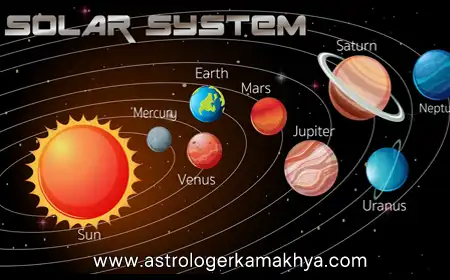
Not all nine grahas carry equal weight in Medini Jyotish. Certain planets are traditionally associated with governance, mass sentiment, and power shifts. Here is how I understand their roles:- Shani (Saturn) - Shani is associated with karma, discipline, accountability, and structural change. In mundane astrology, Saturn transits through a sign for approximately two and a half years. Its movement into a new Rashi (zodiac sign) often corresponds with shifts in governance patterns at the national level. Currently, Shani is transiting Meena Rashi (Pisces), which in classical texts is associated with restructuring of institutions.
- Guru (Jupiter) - Guru governs wisdom, expansion, and dharma. When Jupiter is well-placed in a national chart, it generally supports sound administrative decisions and a positive public mood. Jupiter's transit into Mithuna Rashi (Gemini) activates the area of communication, coalition-building, and trade in India's national chart.
- Rahu and Ketu - The nodal axis in Medini Jyotish is associated with sudden events, unconventional leaders, and collective ideological shifts. When Rahu or Ketu transit sensitive degrees of a national chart, periods of political uncertainty or public debate tend to become more pronounced.
- Surya (Sun) - In classical texts, Surya represents the king or the head of state. The Sun's annual transit and its placement in the Samvatsar chart (Hindu New Year chart) gives astrologers a broad picture of the year's leadership dynamics.
- Mangal (Mars) - Mars governs conflict, energy, and military affairs. When Mars aspects the 10th house (house of governance) or the 4th house (the land and public sentiment) in a national chart, periods of political tension or strong assertive policy-making are traditionally observed.
How I Study a Leader's Political Horoscope at Kamakhya Astrologer
1. The Lagna and 10th House
The Lagna (ascendant) shows the individual's basic personality and approach to life. The 10th house and its lord indicate their public role, authority, and capacity for leadership. A strong 10th lord placed in a Kendra or trikona often indicates a person naturally suited to positions of public responsibility.2. The Dashamsha Chart (D-10)
This divisional chart, specific to career and public standing, tells me a great deal about a political leader's rise, periods of stability, and times of challenge. I spend considerable time with the D-10 during consultations.3. Mahadasha and Antardasha
Planetary periods govern timing in Vedic astrology. I check which Mahadasha (major period) and Antardasha (sub-period) a leader is running through, since these periods directly affect the kind of outcomes their chart is likely to produce - favorable or otherwise.4. Current Transits Against the Natal Chart
Even if a person has a strong natal chart, unfavorable transits of Shani or Rahu over their Lagna, Moon, or 10th house can create periods of difficulty. I look at Gochara (transits) in combination with the Dasha system, not in isolation.What Is the National Horoscope and Why Does It Matter
India's national horoscope is cast for the moment of independence - August 15, 1947, at midnight, in New Delhi. This chart has Kanya Lagna (Virgo Ascendant). In Medini Jyotish, the various houses of this national chart correspond to specific areas of national life:- 1st House - the nation's overall identity and direction
- 4th House - land, public mood, opposition, and domestic conditions
- 7th House - foreign relations and trade
- 10th House - the government, ruling authority, and administration
- 11th House - gains, alliances, and legislative outcomes
Assembly Elections and Planetary Patterns - What Vedic Astrology Observes
India witnesses state assembly elections on a regular cycle, and political astrology has long been applied to understand the broader planetary context around these events. For example, the 2026 assembly elections in states like West Bengal, Kerala, and Tamil Nadu fall during a period when Jupiter is transiting Gemini and Saturn remains in Pisces. In classical Medini Jyotish, the Moon represents public opinion and mass sentiment. When the Moon is afflicted in a national or state chart, or when it is associated with Rahu in the annual Varshaphal, it can indicate anti-incumbency sentiment among voters. Conversely, a well-placed Moon with benefic aspects can suggest public trust in the existing administration. I study each state's astrological signature and the charts of its key political figures separately, since different regions of India have their own traditional astrological associations in texts like Brihat Samhita. For instance, Bengal is traditionally associated with Gemini and Cancer in Vedic geographical mapping. At Kamakhya Astrologer, when clients come to me with questions about political timing or understanding why certain periods bring challenges for political careers, I use these Vedic frameworks to offer context - not certainty, but a structured astrological reading.How Kamakhya Astrologer Approaches Political Consultations
In my two decades of practice, I have worked with individuals who hold positions of public responsibility - from local administrators to business figures involved in policy work. Here is how I typically approach a political astrology consultation:Step 1 - Birth Data Collection
I begin with accurate birth details. Precision matters in Vedic astrology. Even a few minutes' difference in birth time can shift the Lagna and affect the reading of divisional charts.Step 2 - Full Kundali Preparation
I prepare the Rashi chart, Navamsha (D-9), and Dashamsha (D-10), as these three together provide the foundation for any reading about career and public standing.Step 3 - Dasha Analysis
I identify the current Mahadasha and Antardasha, and assess the nature of the planets ruling these periods in the context of the 10th house.Step 4 - Transit Study
I look at where Shani, Guru, Rahu, and Ketu are currently placed relative to the Moon sign (Chandra Rashi) and the 10th house in the natal chart.Step 5 - Timing and Observations
Based on the above, I share observations about which periods may be more active or more challenging for the person's public career, and I also discuss Vedic remedies such as recitation of specific mantras - like the Shani Beej Mantra (? ????? ????? ????? ?? ????????? ???) or the Guru Mantra (? ????? ????? ????? ?? ????? ???) - which are traditional practices in Hindu Jyotish for working with the energies of specific planets.Why People in India Consult a Hindu Astrologer for Political Questions
India has a long, unbroken tradition of connecting Jyotish Shastra with questions of governance and leadership. From ancient kings who consulted royal astrologers before coronations and military campaigns, to modern leaders who time key announcements around auspicious Muhurtas - this is a living tradition across the country. Today, people consult Hindu astrologers for political questions for several reasons:- To understand the timing of career growth in public service
- To know which periods are more supportive for taking on leadership roles
- To understand the planetary context around major life decisions involving politics or administration
- To explore Vedic remedies for periods of challenge in their professional and public lives
Connect with Kamakhya Astrologer for a Political Astrology Reading
Political astrology is a serious branch of Vedic scholarship with a detailed methodological framework. It does not offer guaranteed outcomes - no honest astrologer will say otherwise. What it does offer is a structured way of understanding planetary timing and its relationship to political cycles, career development in public life, and leadership periods. If you are looking to understand the astrological context around your public career, or you simply want to learn more about how Medini Jyotish applies to India's political landscape, I welcome you to reach out to me at Kamakhya Astrologer.Consult Pandit Ravi Bhargav Ji - Kamakhya Astrologer
With 20+ years of experience in Vedic and Hindu astrology across India. Book your consultation today and get a thorough, classical reading of your Kundali.
Astrologer & Tantrik Pandit Ravi Bhargav Ji, Kamakhya, Guwahati, Assam